

The language of elderly care tends towards provision: medicines, allowances, a bed somewhere. What is usually missing from it is dignity, and dignity is not a by-product of care. It is a separate requirement, and it is the one most often left out.
Bangladesh is ageing faster than its institutions are adapting. Life expectancy stands at roughly 75 years and is still rising. People over 60 account for 9.3 percent of the population, a share set to grow substantially. The question of what later life looks like is becoming a question about a large and growing minority.
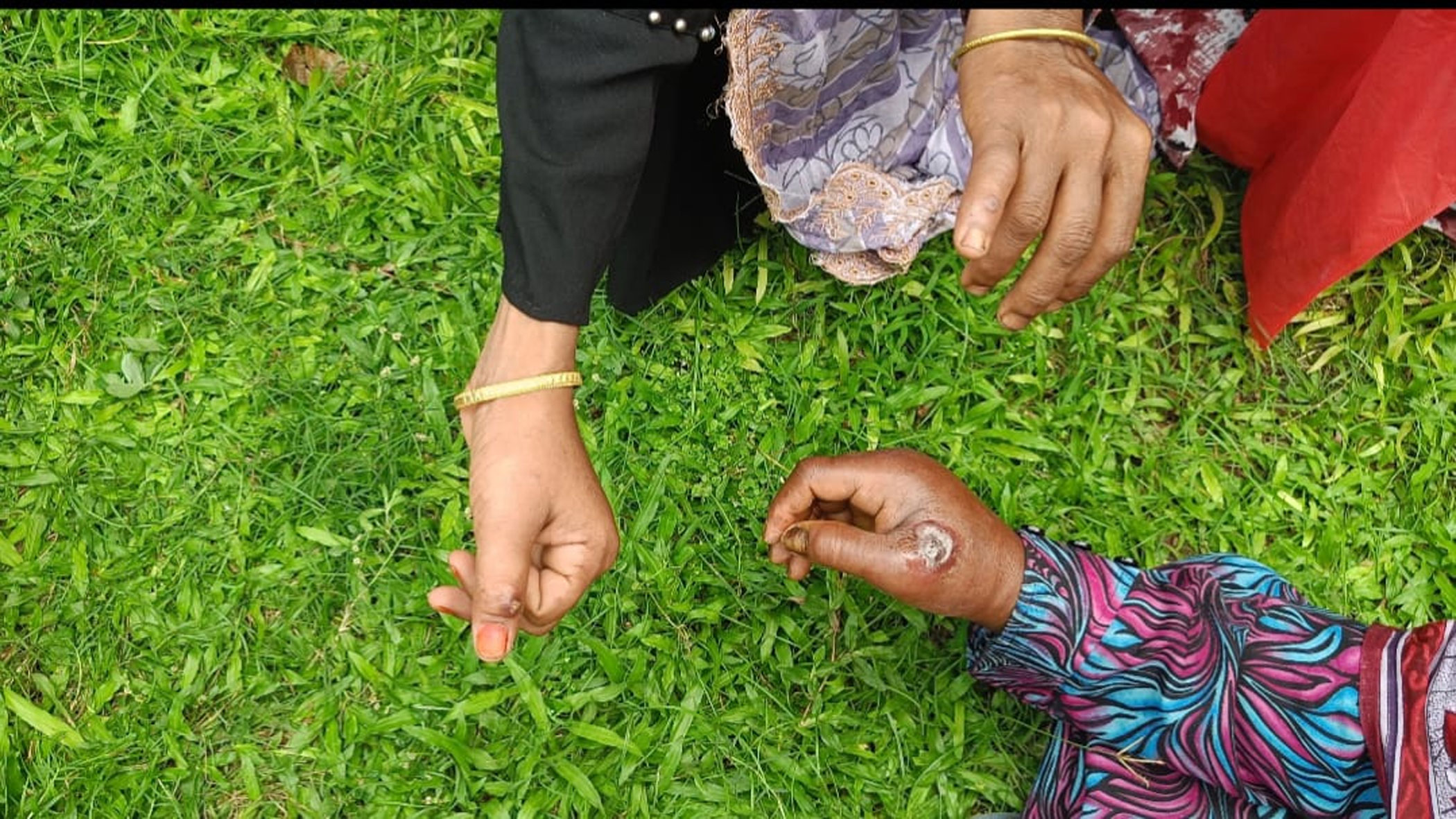
Longer life brings a demanding health profile with it. Non-communicable disease is behind roughly 71 percent of all deaths here, and the illnesses that cluster in old age share an awkward property: dementia, failing kidneys, obstructive lung disease, diabetes, raised blood pressure and heart disease are managed rather than cured. The unit of care is the year, not the week.
That shifts the cost onto households, and in Bangladesh the shift is severe. Out-of-pocket spending made up 73 percent of total health expenditure in 2021. A family managing a parent’s chronic illness is financing it directly, and the arithmetic of a long illness against a modest income has an obvious conclusion.
What is needed on the service side is reasonably clear: stronger primary healthcare able to manage chronic conditions close to home, community-based services that do not require a hospital admission, and palliative care, which barely exists as an organised offering.
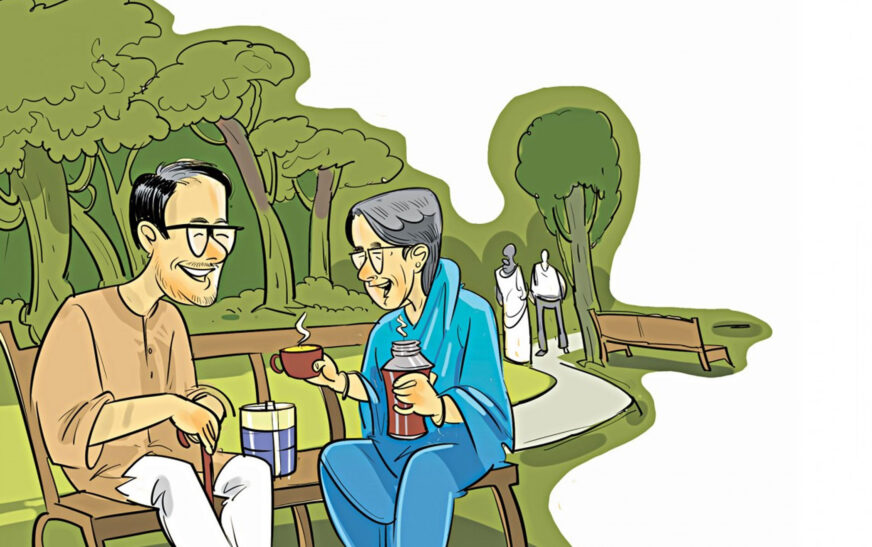
But treating this as a health problem alone will miss most of it. Ageing is simultaneously a health, family, social and economic matter, and the dignity question sits across all of them. Older people need the opportunity to remain active, engaged and purposeful, and the absence of that is not a medical deficit.
The distinction matters in practice. Pity produces a different set of institutions than respect does. One produces places where people are kept; the other produces arrangements in which people continue to participate. Bangladesh is at the point of choosing, and buildings get built on whichever assumption is in force.
There is also a straightforward reason for the young to care. Today’s working-age population is tomorrow’s elderly, and the safeguards built now are the ones they will be relying on. Treating this as somebody else’s problem is a failure of arithmetic as much as of empathy.