

I deactivated my accounts in part because I had stopped noticing I was using them. The phone came out while eating, on the bus, in the middle of conversations. Six months later, the thing I would tell anyone considering it is that the first week is misleading.
That week was genuinely difficult. The pull towards the apps was constant, and my hand kept going to the phone for accounts that were no longer there. It had the texture of withdrawal rather than inconvenience. By the second month it had faded substantially, and resisting it stopped requiring effort.
I kept one messaging app for practical communication. Cutting off contact entirely was never the aim, and the distinction turned out to be easy to hold: direct messages are a tool, feeds are an environment.
The gap that opened was in handling boredom. Standing in a queue with nothing to look at was harder than I expected, and it made clear how much of my scrolling had been filling small empty intervals rather than seeking anything.
The time recovered was about three hours a day. That figure was uncomfortable to arrive at. Spread across a month it is the better part of a working week, and I had no account of where it had been going.
Friendships changed shape. Without a feed supplying ambient updates, keeping up required actually calling people, and those conversations carried more than the passive awareness had. I knew less about more people and considerably more about the ones I spoke to.
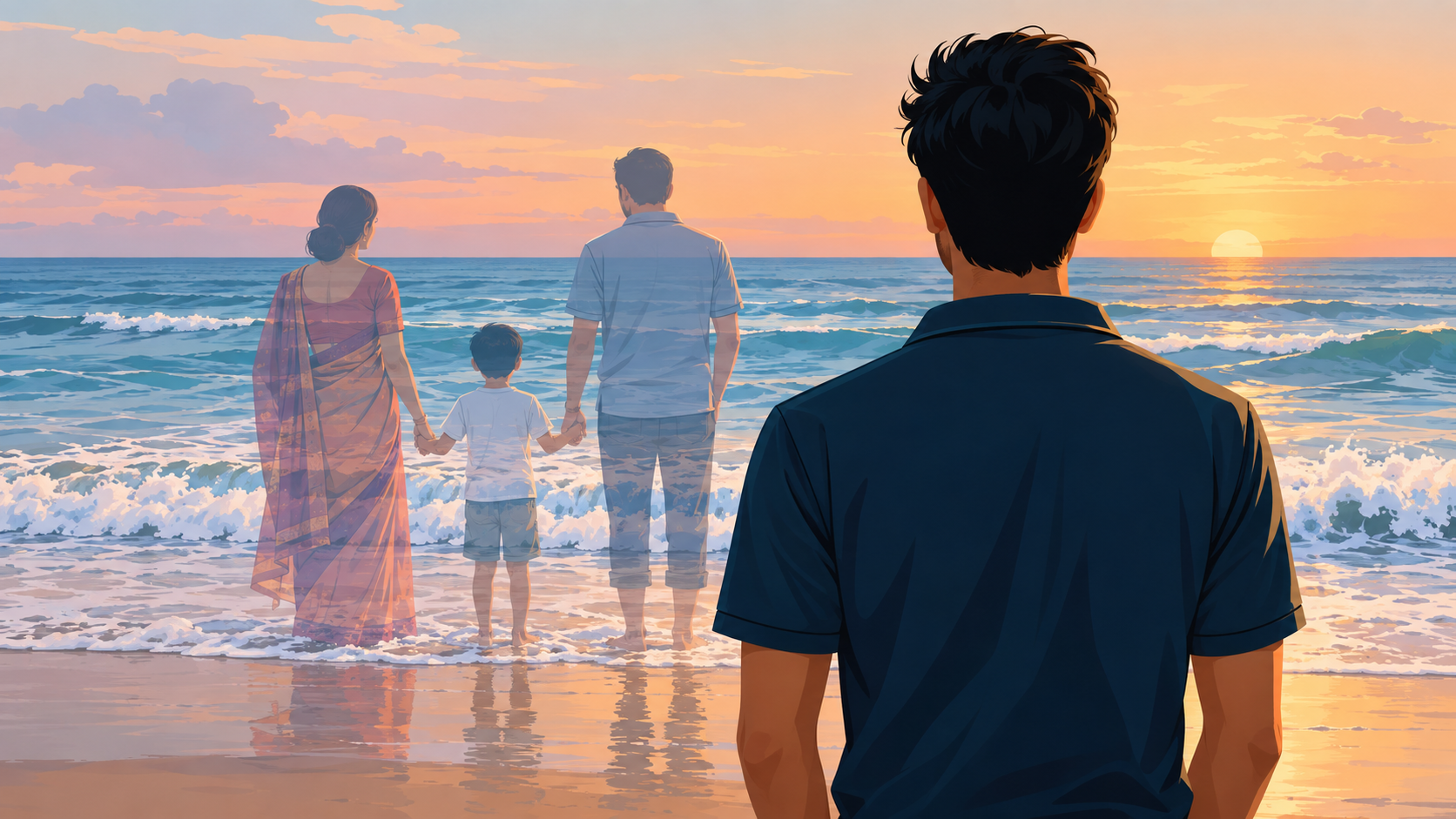
My relationship to experiences shifted too. I stopped composing things for posting while they were happening, which turned out to have been a running background process. Attention that had gone into framing went back into the event.
The mental health effect was clearer than I anticipated, mostly through subtraction. Less exposure to outrage, to fake news, to the steady low-grade comparison. Nothing was added; a source of agitation was removed.
Capacity appeared for things I had claimed to want to do. Hobbies and projects that had been crowded out by screen time became possible, which reframed the procrastination as a time allocation problem rather than a character flaw.
The temptation still returns. It is manageable when I weigh it against the rest, and for anyone struggling with mental health or chronic procrastination, I would say the experiment is worth running for longer than a week before judging it.